

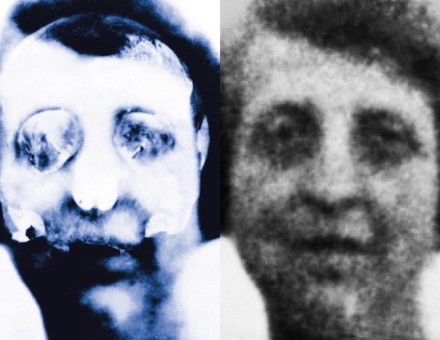
Bodies in the Blitz: The Murder of Rachel Dobkin
The devastation and chaos inflicted on London by wartime bombing raids provided an opportunity for murderers to conceal their crimes.
The devastation and chaos inflicted on London by wartime bombing raids provided an opportunity for murderers to conceal their crimes.
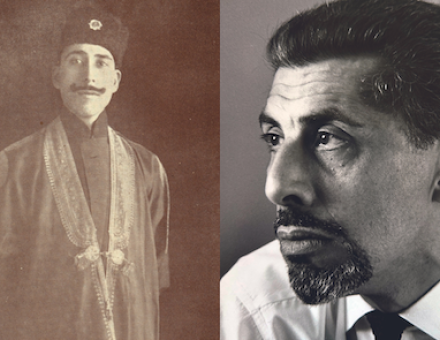
Britain’s dearth of Afghan informants provided an opportunity for a disinherited Indian prince and his son to present themselves as an authentic conduit to the Muslim world. Soon they were advising the nation on subjects from geopolitics to the powers of the occult.
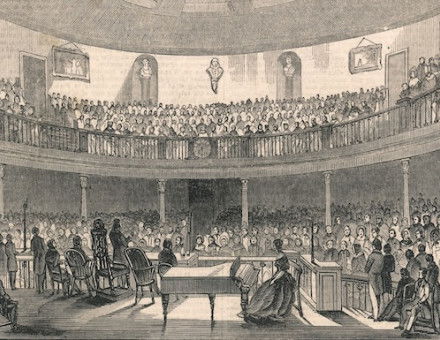
The Literary and Philosophical Society was once ubiquitous, allowing minds to meet and views to collide. Their disappearance has left more questions than answers.
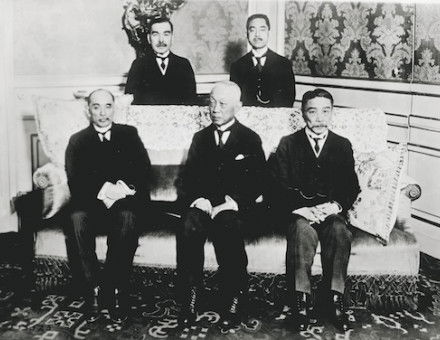
At the outset of the 1919 Paris Peace Conference Japan enjoyed a seat at the top table, but the vexed issue of racial equality set it and its notional Western allies on different paths.
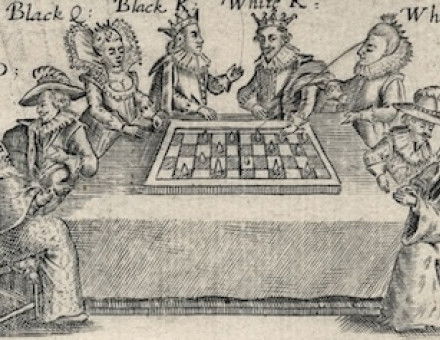
For nine days Thomas Middleton’s A Game at Chess was the greatest box office phenomenon of the English Renaissance. Then a warrant was issued for his arrest.
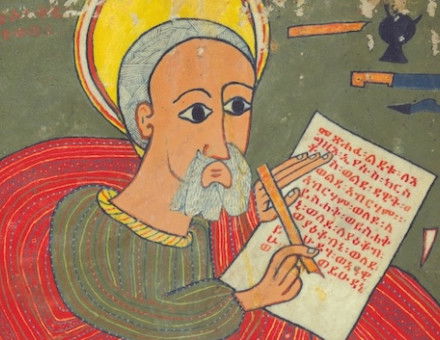
A community of Ethiopian monk-scholars in Renaissance Rome brought their learning, language and liturgy into the heart of the Roman Church.
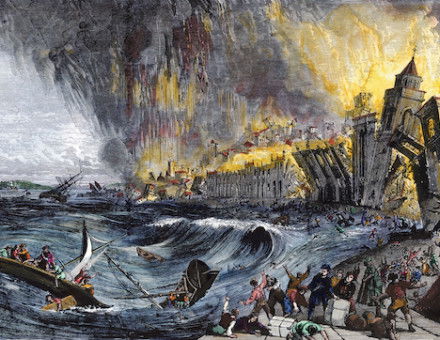
The earthquake that hit Lisbon in 1755 toppled buildings and shook the foundations of the Enlightenment. Was God punishing humanity, or was the disaster man-made?
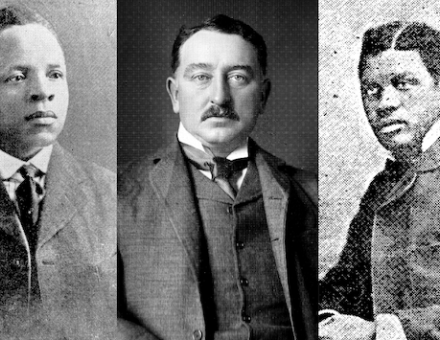
Cecil Rhodes was once described as the single biggest threat to peace in southern Africa. In 1898 a bitter election campaign did little to suggest otherwise.

Highwaymen’s reputations plummeted in the 17th century. Once praised as heroes in the manner of Robin Hood, the media now lauded the brave bystanders who resisted them.
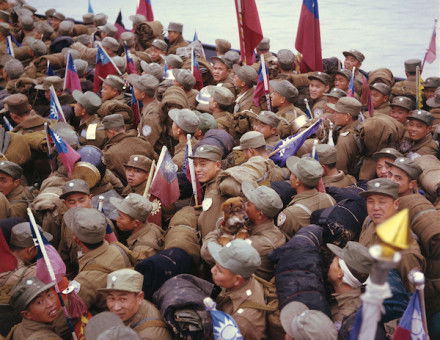
The Korean War began as a conflict over territory. It would become a fight for the asylum of North Korean POWs.