
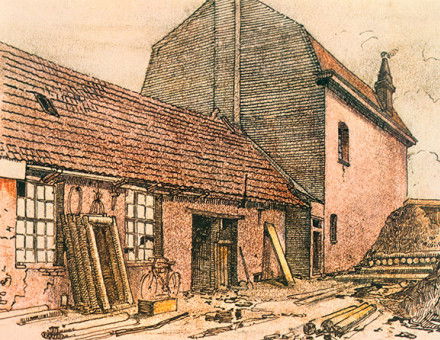
Churchill and Hitler: At Arms, At Easels
Churchill and Hitler painted scenes of the Western Front while in remarkably close proximity to one another.
Churchill and Hitler painted scenes of the Western Front while in remarkably close proximity to one another.
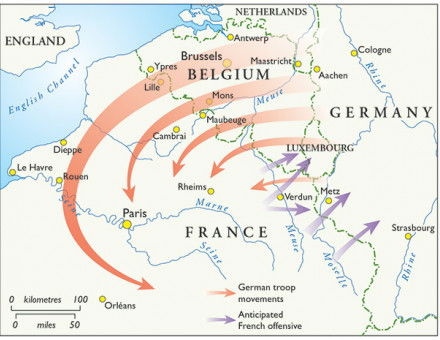
As Home Secretary in 1911 Winston Churchill intervened in a debate about Britain’s role in a future European conflict. His observations were remarkably prescient and, had they been implemented, might have shortened the First World War, says Allan Mallinson.

Only ten years ago, Trieste seemed likely to become the Sarajevo of a Third World War. Here J. Garston, a military eye-witness, describes how, thanks to a combination of tact and firmness, an apparently impossible problem was for the time being solved.
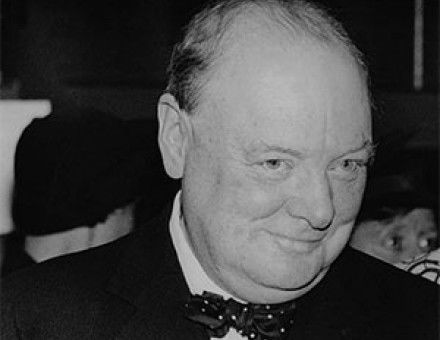
Almost 50 years after his death, Churchill continues to fascinate historians, says Roland Quinault.
John Colville's personal appreciation of Sir Winston’s work and character
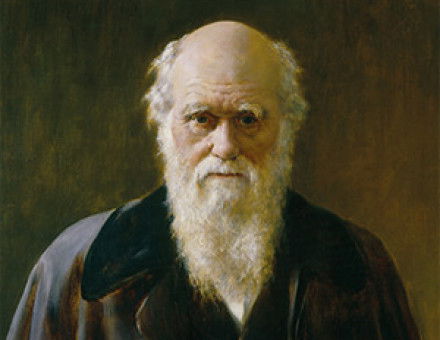
Jerome Carson and Elizabeth Wakely explore the mental illnesses suffered by some famous historical figures and consider the impact on their lives and achievements.
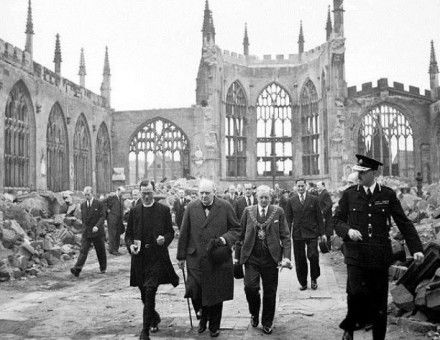
Richard Wilkinson charts the highs and lows of Winston Churchill in 1940-45.
As the Coalition government marks its first anniversary Martin Pugh sees its blend of Liberal and Conservative policies mirrored in the long and chequered career of the most famous of all 20th-century prime ministers.
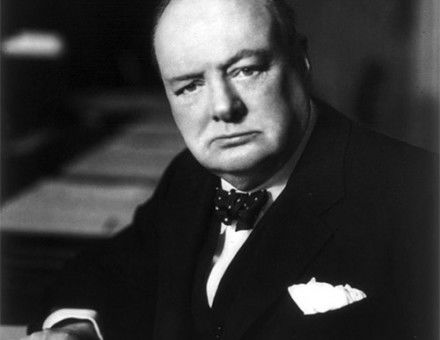
In May 1940, Winston Churchill replaced Neville Chamberlain as prime minister. But the great war leader’s rise to power was far from inevitable. Taylor Downing explains what a difference a day made.
Lord Beaverbrook’s close acquaintance with the two War Leaders began in 1911; his reflections on them had not been published in full before this August 1973 article. With introduction by A.J.P. Taylor.