
A Royal Gentleman of Colour
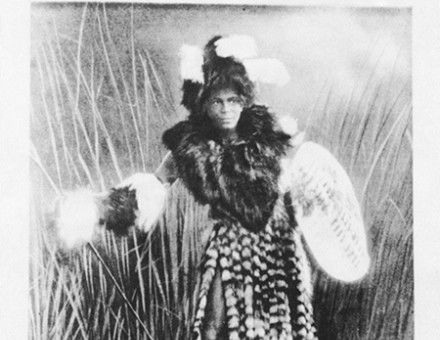
Ben Shephard looks at the career of Peter Lobengula, the African ‘Prince’ who tantalised the British press and public and died in poverty in Salford in 1913, highlighting Victorian attitudes towards race, colour and sex.
Ben Shephard looks at the career of Peter Lobengula, the African ‘Prince’ who tantalised the British press and public and died in poverty in Salford in 1913, highlighting Victorian attitudes towards race, colour and sex.
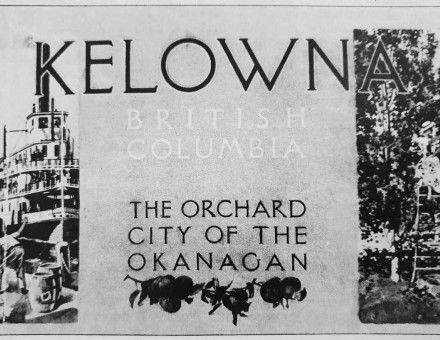
‘They dwell in paradise and it pays’ was the view expressed of the immigrant fruit farmers who settled in British Columbia for a long Edwardian summer.

Gertrude Himmelfarb considers why and when poverty ceased to be a ‘natural’ condition and become a ‘social’ problem in the Early Industrial Age.
Throughout Europe, the end of the First World War brought in its wake disillusion, civil unrest and even revolution. As Daniel Francis explains here, it was the same story in Canada in 1919.
Geoffrey Finlayson discusses how Margaret Thatcher's style of Conservatism reflects the development of the Tory Party over nearly two hundred years.
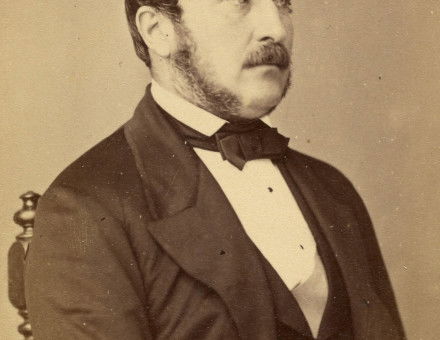
Elisabeth Darby and Nicola Smith look at the impact of the death and funeral of Prince Albert, on both Queen Victoria and the nation.
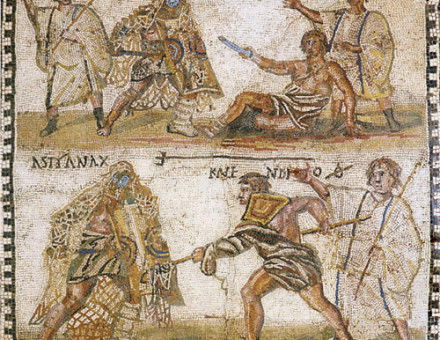
Gladiatorial shows turned war into a game, preserved an atmosphere of violence in time of peace, and functioned as a political theatre which allowed confrontation between rulers and ruled.
‘Kill not Moth nor Butterfly, For the Last Judgement draweth nigh’ wrote William Blake in Auguries of Innocence, reflecting the changing perception of man’s relation to the natural world.
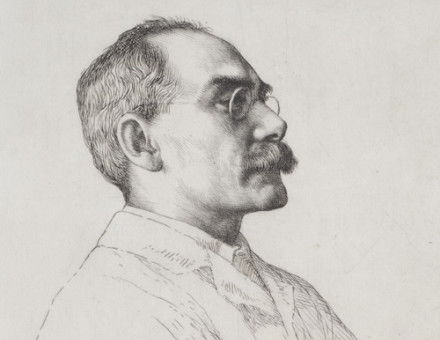
Rudyard Kipling’s imperialism was more complex than the line, ‘Oh, East is East and West is West and never the twain shall meet.’
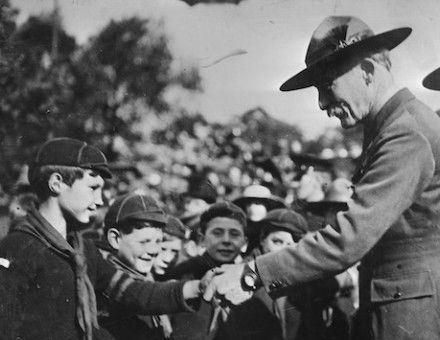
If the British Empire were to be saved, it would take a renewal of Britain’s youth. Robert Baden-Powell had the answer: self-reliance, patriotism and the Boy Scouts.