
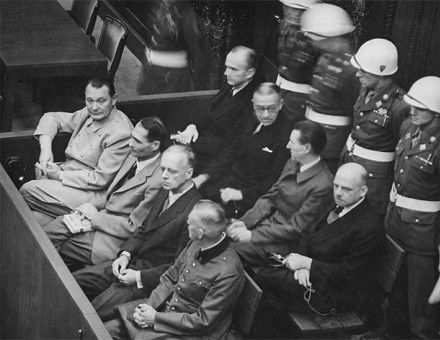
Victors' Justice? The Nuremberg Tribunal
Michael Biddiss looks at how the victorious Allies dealt with the unprecedented prosecution of genocide and mass atrocities by the Nazi leadership and how fair the proceedings were to those in the dock.
Michael Biddiss looks at how the victorious Allies dealt with the unprecedented prosecution of genocide and mass atrocities by the Nazi leadership and how fair the proceedings were to those in the dock.
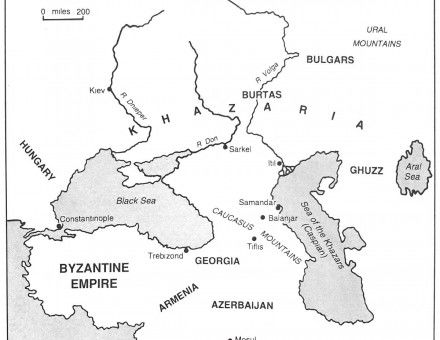
Nicholas Soteri reflects on the often-overlooked Jewish kingdom of Khazaria, and the vital role they played in balancing Christian and Muslim power in the early medieval period.
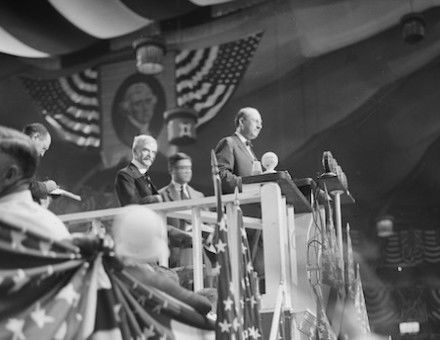
A 17-day political dogfight at the 1924 Democratic National Convention revealed the faultlines in American society, from prohibition to Protestantism to the shadow of the Ku Klux Klan.
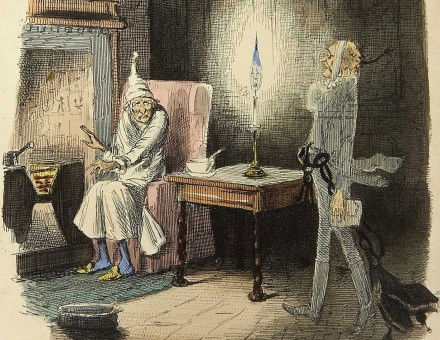
The best-loved of Britain's novelists penned a tale that struck a potent chord in the popular revival of the season of goodwill. Geoffrey Rowell explains its appeal and its powerful religious and social overtones.
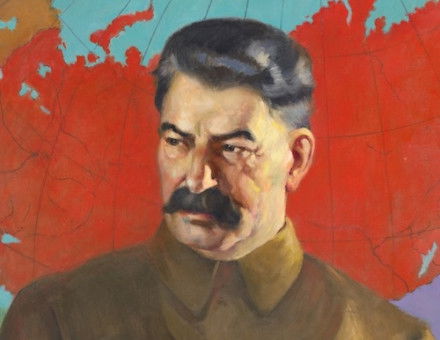
By the late 1920s, Stalin and the Soviet Union seemed on the road to totalitarianism. Did the system spawn a monster – or a monster the system?
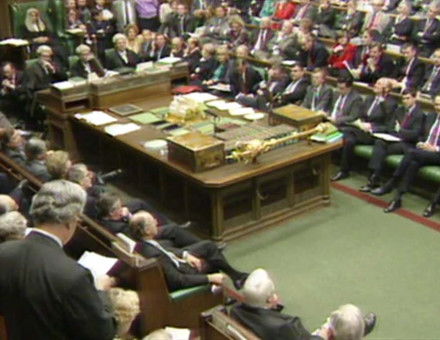
Douglas Johnson compares and contrasts the downfalls of Neville Chamberlain and Margaret Thatcher.
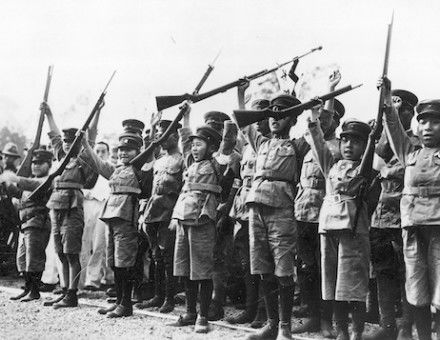
What did Hirohito really think of the Second World War? After his death, diaries and memoirs from the Shōwa emperor’s court began to shed light on his role in the conflict.
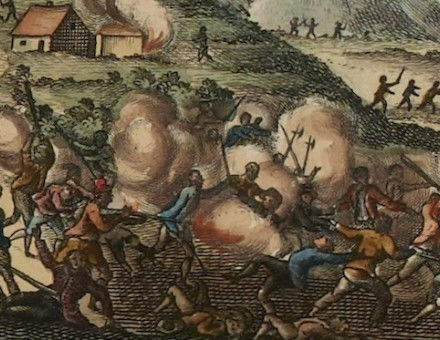
The French Revolution’s message of ‘liberté, égalité, fraternité’ was crucial to uprisings by enslaved peoples in Europe’s Caribbean colonies.
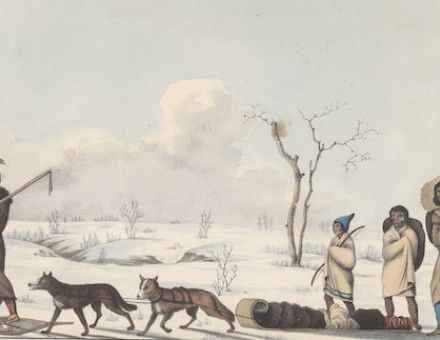
The incorporation of the Hudson’s Bay Company in 1670 reveals much about the personalities and rivalries of Restoration England.
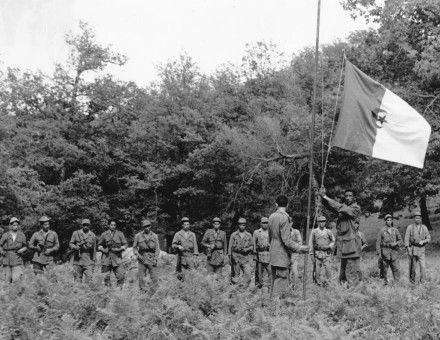
During the 1950s the Algerian struggle against France and its white settlers for independence inflamed passions and hatreds in both countries – while a small number of French men and women helped the Algerian liberation movement in defiance of their government and the sentiments of the majority. What made them do it?