
Gavrilo Princip: Sarajevo’s Elusive Assassin
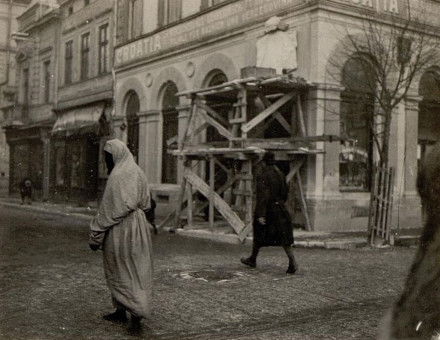
Numerous untruths persist about Gavrilo Princip, the man who killed Archduke Franz Ferdinand. One of them was used by Austria-Hungary as grounds for its war against Serbia in 1914.
Numerous untruths persist about Gavrilo Princip, the man who killed Archduke Franz Ferdinand. One of them was used by Austria-Hungary as grounds for its war against Serbia in 1914.

A.W. Palmer describes how the troubled politics of Serbia played a large part in precipitating the first World War. By a policy of violence and assassination, a group of army conspirators, known as the “Black Hand,” laid a fuse to the Balkan powder-keg.
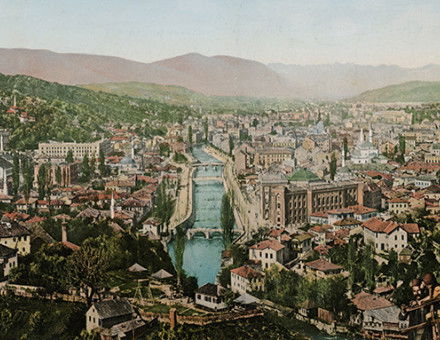
Mary Sparks describes a female citizen of Sarajevo, whose life in the city coincided with the period of Austro-Hungarian rule in Bosnia and whose impact on the social and cultural events reflected the modern aspirations of the city in the time leading up to the First World War
Stephen Clissold uncovers a brutal crime with its roots deep in the rank soil of Balkan politics.
Gilbert John Millar introduces Christians from the Ottoman Empire who served in European armies.
David Woodward describes insurrection in the Austro-Hungarian fleet on February 1st, 1918.
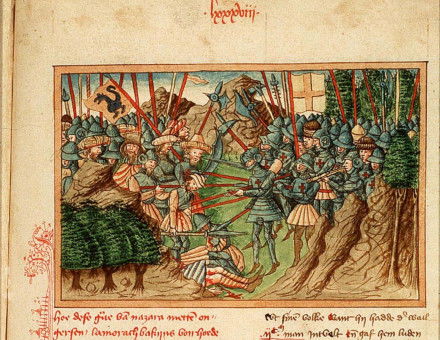
For Serbs the 1389 Battle of Kosovo was a physical defeat against the Ottoman Turks, but a moral victory that formed the backbone of Serbian national identity.
In the year of Napoleon’s coronation, writes Ann Kindersley, three patriotic Serbs officially asked for the help of the Tsar in their revolt against the Turks.
Cyril Falls describes how, from the problems left by the Balkan Wars, sprang the greater catastrophe that overwhelmed Europe in 1914.
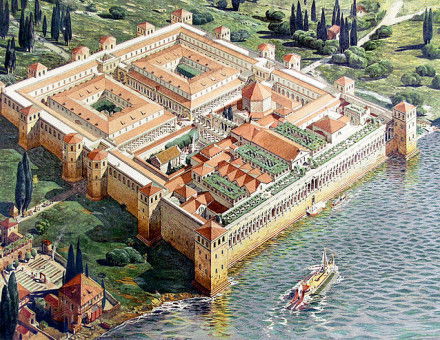
Anthony Rhodes introduces Diocletian, the first sovereign to voluntarily resign power, and how, at the opening of the fourth century, he spent his last years in a huge fortified seaside palace of his own construction.